State Department on the Move to Partner with TVETs to Create Global Seafaring Jobs for Kenyan Youth
The State Department for Shipping and Maritime Affairs has unveiled an ambitious plan to partner with Technical and Vocational Education and Training (TVET) institutions to convert TVET graduates into certified seafarers, in a bold move aimed at tackling youth unemployment and positioning Kenya as a leading supplier of maritime labour globally.
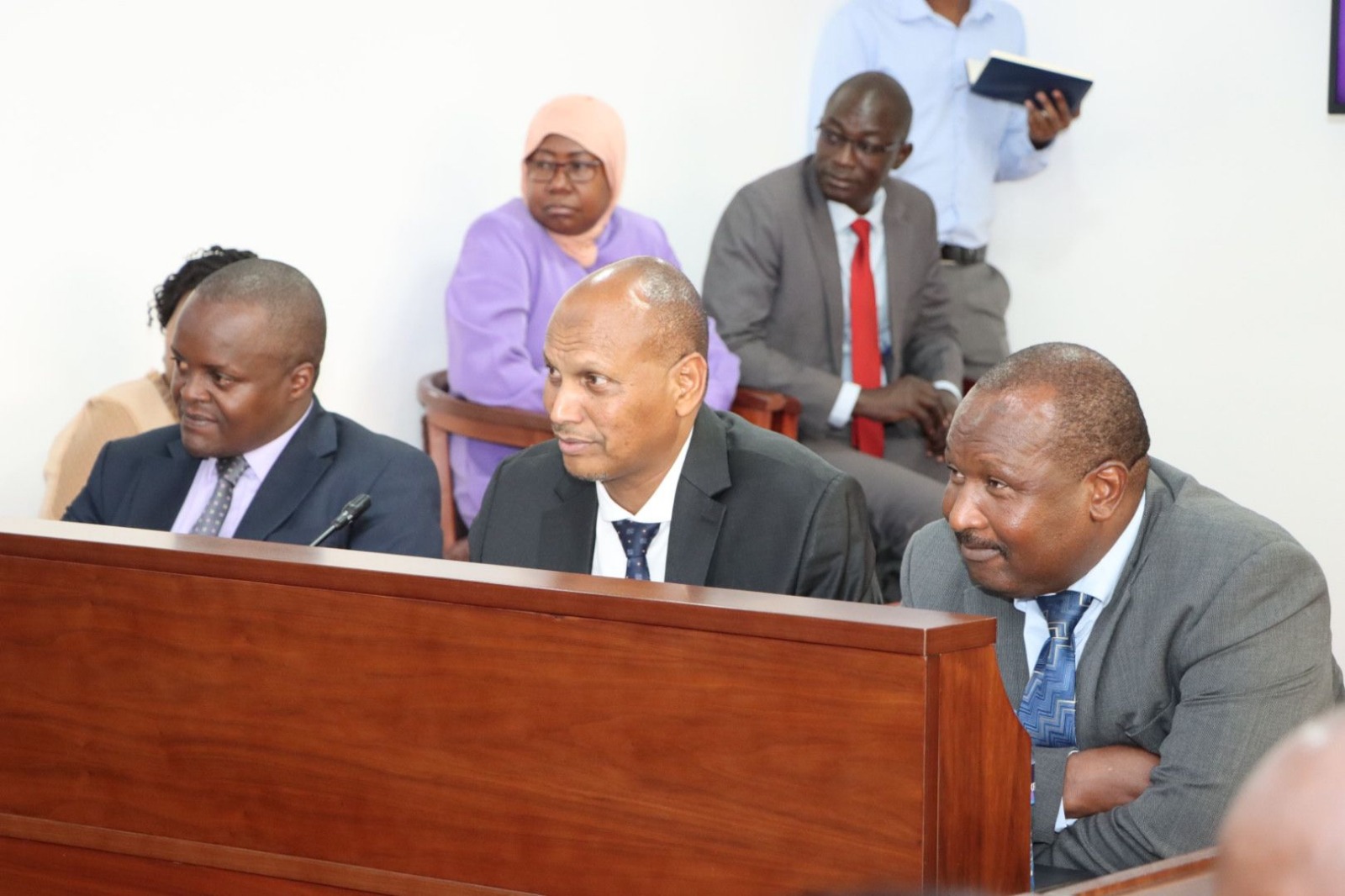
Speaking during the Parliamentary Committee on Transport and Infrastructure, chaired by Hon. George Kariuki Macharia, to present and deliberate on the State Department’s 2026 Budget Policy Statement (BPS), the State Department for Shipping and Maritime Affairs Principal Secretary Aden A. Millah said the Department is exploring partnership with TVET institutions to ensure that TVET graduates can be able to undertake Standards of Training, Certification and Watchkeeping (STCW) training so they can qualify for employment opportunities in the maritime sector, including jobs on international cruise ships.
“We are exploring partnering and working closely with TVET institutions to transition their graduates into professional seafarers. Our goal is to ensure that these young people undergo Standards of Training, Certification and Watchkeeping (STCW) training so they can qualify for employment opportunities in the maritime sector, including jobs on international cruise ships,” said the PS.
The STCW Convention sets the global benchmark for training and certification of seafarers, making compliance mandatory for anyone seeking employment in international shipping lines and cruise vessels.
The PS noted that Kenya has immense potential to benefit from the growing global demand for maritime labour. According to international industry projections, the world faces a significant shortage of trained seafarers, presenting a unique opportunity for Kenyan youth.
Through the Department’s flagship Vijana Baharia Programme, the government targets to train 23,000 seafarers and facilitate the recruitment of 14,900 into the global maritime labour market over the medium term.
The partnership with TVET institutions will enable graduates from disciplines such as mechanical engineering, electrical engineering, plumbing, hospitality, and marine-related courses to transition into maritime careers after completing mandatory STCW certification and sea-time training.
To support this initiative, the government is strengthening capacity at Bandari Maritime Academy, which has been designated as a Regional Centre of Excellence for maritime training. Ongoing investments, including the construction of a Survival Training and Certification Centre, are expected to significantly increase the country’s ability to train internationally recognized seafarers.
Millah emphasized that securing cruise ship jobs for Kenyan youth will not only reduce unemployment but also increase foreign remittances and enhance Kenya’s competitiveness in the Blue Economy.
“We want our young people to move from job seekers to global professionals. By equipping them with STCW certification, we are opening doors to cruise ships, cargo vessels, offshore installations, and other maritime opportunities across the world,” he said.
The initiative is also supported by ongoing negotiations with major maritime nations to sign mutual recognition agreements that will allow Kenyan-issued certificates to be recognized internationally, further easing access to global shipping and cruise employment markets.
As Kenya seeks to harness the full potential of its maritime sector, the State Department’s collaboration with TVET institutions will mark a strategic step toward transforming technical skills into sustainable global careers for thousands of young Kenyans.
The State Department is in the process of ensuring that all Kenyan seafarers are issued with a Seafarers Identification Document (SID) in the coming months.
The Kenya Maritime Authority Director General, CPA Omae Nyarandi, noted that the partnership between the State Department for Shipping and Maritime Affairs and the State Department for TVET will ensure that the target of recruiting 14,900 youth into the global maritime labour market is achieved.