Kenya Moves to Fortify Seas with Overhaul of National Maritime Security Risk Register
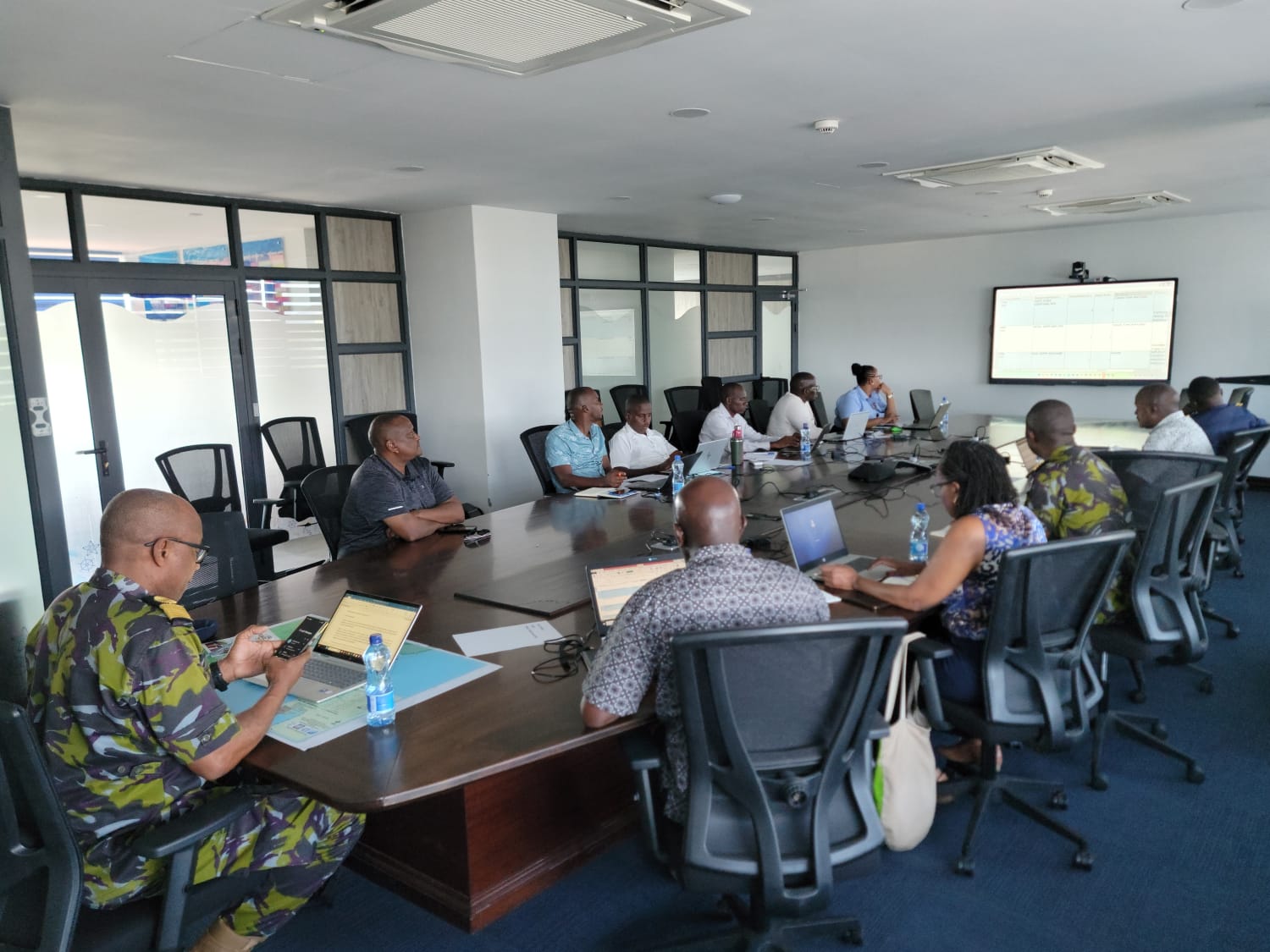
The State Department for Shipping and Maritime Affairs has convened a three-day high-level multi-agency meeting to review and update Kenya’s National Maritime Security Risk Register, a strategic blueprint guiding the country’s preparedness and response to emerging threats across its maritime domain.
The forum brought together key security and maritime institutions, including the Kenya Maritime Authority, Kenya Ports Authority, Kenya Forest Service, National Intelligence Service, Kenya Navy, National Police Service and the Kenya Coast Guard Service.
The collaborative engagement signals a renewed whole-of-government approach to safeguarding Kenya’s ports, territorial waters, inland waterways and coastal ecosystems amid evolving maritime threats.
Chairing the meeting, Brig. M.S. Shemote of the Kenya Navy underscored the strategic importance of the Risk Register as a national security tool.
“The National Maritime Security Risk Register is our central reference framework for identifying, assessing and mitigating risks within Kenya’s maritime space. As threats evolve from maritime crime to vulnerabilities in port infrastructure and operations, our risk assessment and mitigation strategies must remain dynamic and intelligence driven.” Said Brig. M. S. Shemote of the Kenya Navy.
Officials noted that the review process examined current risk ratings, assessed the effectiveness of existing mitigation measures and proposed updated control strategies to strengthen prevention, preparedness and response capabilities across institutions.
Aziz Manda emphasized the critical role of coordinated intelligence and information sharing.
“Effective maritime domain awareness depends on intelligence-led risk assessment, seamless inter-agency coordination and timely information exchange. No single agency can secure the maritime space alone; it requires collective vigilance and unified action.” Noted Aziz Manda.
Participants also highlighted the growing recognition that maritime security extends beyond traditional defense concerns to encompass environmental protection, sustainable resource management and community resilience.
Officials reaffirmed that safeguarding critical coastal and marine ecosystems is integral to national security and economic stability, particularly as Kenya positions itself as a regional maritime and logistics hub.
The updated Risk Register is expected to guide strategic planning, operational coordination, policy development and resource allocation across the maritime sector.
It will also bolster Kenya’s compliance with international maritime security obligations while reinforcing national efforts to secure shipping lanes, ports and inland waters.
The State Department reiterated its leadership role in coordinating maritime governance and strengthening partnerships among agencies to ensure that Kenya’s maritime domain remains secure, resilient and sustainable for present and future generations. Kenya Maritime Authority Bandari Maritime Academy Kenya Ports Authority Kenya Defence Forces National Police Service Kenya Coast Guard Service Kenya forest service (ENCOM)